
June 20, 2026 •Judicial District 17 VASIA

When a senior or incapacitated adult is neglected, vulnerable, or in need of help, it can be difficult to know where to turn. Families may hear terms like “guardian advocate,” “public guardianship,” or “ombudsman” and wonder if they all mean the same thing.
They do not.
Both VASIA and ombudsman programs serve older adults and vulnerable people. Both protect dignity, safety, and quality of life. Both give people a voice when they may feel unheard. But their roles are different.
Understanding the difference can help families, caregivers, and compassionate community members know how to support someone who needs an advocate.
What Is VASIA?
VASIA stands for Volunteer Advocates for Seniors and Incapacitated Adults. In Johnson and Shelby counties, VASIA is a public guardianship program that serves seniors and incapacitated adults who need help making important life decisions. VASIA’s mission is to help each person achieve the highest possible degree of independence, health, comfort, and safety.
VASIA volunteers are court-appointed guardian advocates. That means they serve through the court system and help protect adults who may not have family, friends, or other trusted people available to act on their behalf.
A VASIA volunteer may help make sure a person’s needs are being met, attend care meetings, review living arrangements, communicate with service providers, and advocate for the person’s well-being. Most importantly, the volunteer becomes a steady, caring presence.
For someone who has no family nearby, a VASIA volunteer may be the person who notices when something is wrong, asks the right questions, and speaks up.
What Is an Ombudsman?
A long-term care ombudsman advocates for residents who live in nursing homes and licensed assisted living facilities. In Indiana, the ombudsman program works to protect resident rights, resolve concerns about care, and help residents understand how to speak up for themselves.
An ombudsman may help with concerns about food, staffing, communication, discharge issues, quality of care, dignity, privacy, or resident rights. The ombudsman is resident-directed, which means the resident’s wishes guide the process whenever possible.
An ombudsman does not become a person’s legal guardian. Instead, the ombudsman helps residents address problems within long-term care settings.
The Main Difference
The simplest difference is this:
VASIA provides court-appointed guardian advocacy for seniors and incapacitated adults who need someone to help make decisions and protect their overall well-being.
An ombudsman advocates for residents in long-term care facilities and helps resolve concerns about care, rights, and quality of life.
VASIA’s role is broader and often more personal over time. An ombudsman’s role is focused on protecting rights and resolving concerns in facility-based care.
How VASIA and Ombudsmen Can Work Together
These programs are not in competition. In fact, they can support one another.
For example, a VASIA volunteer may serve as guardian advocate for a senior living in a nursing home. If concerns arise about care or resident rights, the volunteer may contact the ombudsman for support. The ombudsman can help address facility concerns, while the VASIA volunteer continues to serve as the person’s court-appointed advocate.
Together, they help create a stronger circle of security.
Why This Matters for Volunteers
Many people who become VASIA volunteers are retired nurses, teachers, legal professionals, caregivers, or servant-hearted community members. They know what it means to listen, solve problems, and stand beside someone who feels alone.
VASIA gives volunteers the training and support they need to become a voice in the court system for someone who may be neglected, isolated, or unable to advocate alone.
You do not need to have all the answers before you begin. You need compassion, consistency, and a willingness to serve.
A Different Kind of Family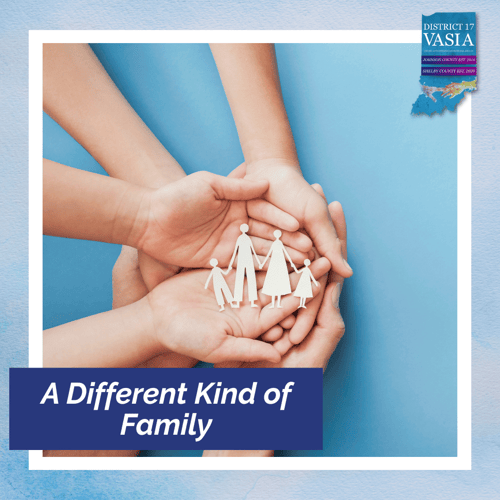
Some adults served by VASIA have outlived their family. Some have relatives who cannot help. Others have been forgotten by the people who should have protected them.
A VASIA volunteer helps restore connection. You may not be related by blood, but your presence can feel like family to someone in need of help.
You become the person who shows up. The person who asks, “Is this safe?” “Is this respectful?” “Is this what they need?” “Is their voice being heard?”
That kind of advocacy can change a life.
Is VASIA Right for You?
VASIA may be a good fit if you want meaningful community service, care deeply about seniors and vulnerable adults, and believe every person deserves dignity, safety, and a voice.
Ombudsmen play an essential role in long-term care advocacy. VASIA plays a different role by providing court-appointed guardianship support for adults who need someone to stand with them in a deeper, ongoing way.
Both matter. Both protect people. Both strengthen the community.
But VASIA offers volunteers a unique opportunity to become a trusted advocate for someone who truly needs one.
Become a VASIA Volunteer
If you have been looking for a way to use your life experience to serve others, VASIA may be the purpose-filled opportunity you have been searching for.
Your compassion can provide security. Your voice can bring comfort. Your service can help a senior or incapacitated adult live with greater dignity, independence, and safety.